

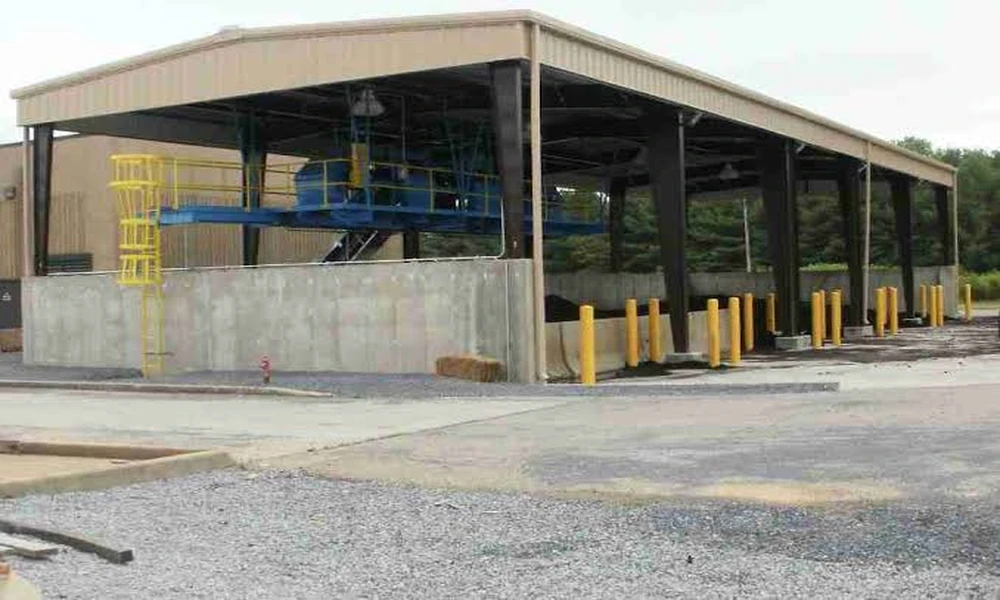
Step into any thriving city park or bustling community square, and chances are, you’ll spot sleek steel shelters offering respite from the elements. Their presence isn’t an accident. Behind their sturdy frames lies a blend of engineering, design, and practical foresight that makes them the structure of choice for public spaces today.
What Are Steel Shelters and Where Are They Commonly Used?
Steel shelters, in the context of public spaces, are permanent or semi-permanent structures designed primarily to protect people from sun, rain, and wind. Unlike temporary tents or wooden pavilions, these shelters are engineered for endurance and stability, creating reliable gathering spots in a wide array of environments.
You’ll find steel shelters in playgrounds, transit stops, picnic areas, outdoor classrooms, sports fields, and even urban plazas. The versatility of steel means one day it’s shading a group of preschoolers during recess, and the next, it’s providing a dry waiting area for commuters on a drizzly morning.
Why Is Durability a Key Factor in Choosing Steel Shelters?
Public spaces demand structures that can stand up to both weather and constant use. Steel shelters excel here, offering unmatched longevity compared to wood or even certain plastics.
Weather Resistance and Longevity
Steel is inherently resistant to warping, rotting, and insect damage. Protective coatings and modern finishes prevent rust, so whether facing torrential rain or relentless sun, these shelters maintain their integrity year after year. Snow load? Strong winds? Steel shelters are engineered to handle them.
Maintenance Requirements Compared to Other Materials
Long-term maintenance is a major cost driver for municipalities. Steel shelters need just occasional inspections and minor touch-ups, sidestepping the peeling paint or splintered panels that can plague wooden structures. Over years of exposure, the cost and time savings become substantial.
How Do Steel Shelters Enhance Safety and Security in Public Areas?
Safety isn’t just about withstanding storms. It’s about creating a space the community can rely on, day and night.
Structural Integrity Against Environmental Stress
A well-constructed steel shelter won’t buckle under heavy snow or get uprooted by strong winds. Its weight and design discourage tampering or accidental tip-overs, which can be concerns with lighter structures.
Fire Resistance and Vandalism Deterrence
Unlike wood, steel doesn’t fuel fires. This inherent resistance makes it a logical choice where fire safety is a concern. Plus, steel surfaces are less vulnerable to vandalism like carving or burning, and graffiti is typically easier to remove.
What Design Options Make Steel Shelters Versatile for Public Spaces?
Visual harmony matters. A shelter should serve its purpose while complementing its surroundings.
Variety of Styles and Sizes
The catalog for Inspire Play steel shelters illustrates the range: from hexagonal “Aztec” designs to compact square “Navajo” models and single-post umbrellas. Whether the goal is to create a dramatic focal point or tuck a quiet retreat into a corner, there’s a design to match.
Customization Possibilities to Match Surroundings
Beyond standard models, steel shelters can be color-matched, fitted with solar panels, or customized with community artwork. Finishes and roofs can reflect local architecture, blending modern engineering with local identity.
In What Ways Do Steel Shelters Improve User Comfort and Experience?
Comfort drives public engagement. Steel shelters earn their keep by making outdoor spaces usable, regardless of what the weather throws at them.
Shade and Shelter from Elements
Hot summer days, sudden downpours, or gusty afternoons, steel shelters provide a consistent refuge, encouraging people to linger, socialize, or simply enjoy nature without worry.
Integration with Seating and Amenities
Designers often incorporate benches, tables, or even charging stations directly into the shelter’s footprint, creating truly multifunctional oases.
How Do Steel Shelters Contribute to Cost-Effectiveness Over Time?
Investing in public infrastructure is always about balancing short-term expenses with long-term gains.
Initial Investment vs. Long-Term Savings
While steel shelters may have a higher up-front cost, their lifespan and low upkeep routinely offset that investment. The need for fewer repairs, replacements, and safety checks translates into real savings for cities and organizations.
Reduced Replacement and Repair Costs
Steel rarely needs total replacement. Touch-ups and basic inspections usually suffice, maximizing the return on the original investment.
What Environmental and Sustainability Considerations Favor Steel Shelters?
As communities reach for greener solutions, steel shelters offer several compelling benefits.
Recyclability and Eco-Friendly Manufacturing
Steel’s recyclability is legendary. Many shelters are fabricated from recycled steel and, at the end of their life, can be recycled again, supporting a circular economy without compromising quality.
Impact on Urban Heat and Green Spaces
Thoughtful shelter placement can mitigate heat islands, keeping seating areas cooler and encouraging greenery by offering shaded spots for plant growth underneath their canopies.
How Can Communities Maximize the Benefits of Steel Shelters?
A smart shelter isn’t just about the material; it’s how it’s woven into the community.
Strategic Placement and Multi-Use Design
Locating shelters at activity hubs, playgrounds, bus stops, or event spaces, multiplies their impact. Flexible layouts allow for everything from quiet reading zones to lively neighborhood gatherings.
Encouraging Social Interaction and Accessibility
Well-designed shelters foster connection. Accessible pathways, clear sightlines, and welcoming arrangements invite a broad spectrum of users, turning mere structures into true community assets.
Steel shelters aren’t just robust, they’re a reflection of thoughtful design and smart planning, ready to serve generations. Each installation adds value, comfort, and a sense of permanence to the public realm, making them not just a good choice but a smart one for today’s evolving spaces.
