

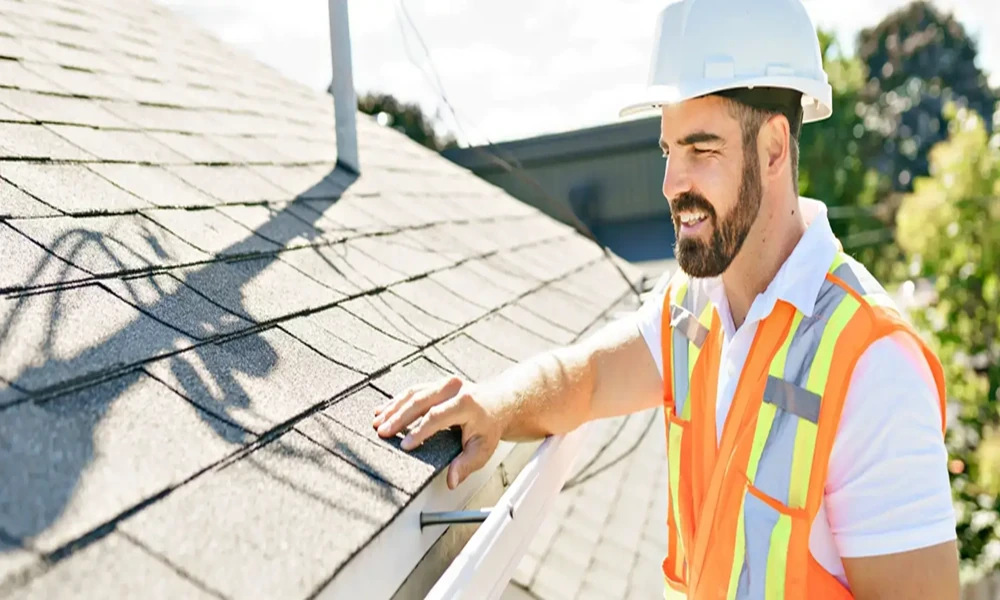
A roof replacement is a major home improvement project that protects a property for decades. Property owners in Florida often feel overwhelmed by the sheer volume of choices, from structural materials to contractor schedules. True peace of mind comes from clear communication and thorough preparation before any construction work begins. Armed with the right information, a property owner can make confident decisions that secure the structure and save money over time.
Strategic preparation clears up common points of confusion before a crew arrives on site. Experienced contractors answer common Florida roofing questions to help clients grasp local wind codes and moisture protection protocols. This article highlights the most critical inquiries property owners must make to ensure a successful, high-quality installation.
What Material and Warranty Options Exist for the New Structure?
The choice of protective outer layers directly impacts the total lifespan of the structure. Ask the contractor for a breakdown of the best options for heat resistance and severe weather defense.
- Material Upgrades: Inquire about modern architectural shingles, concrete tiles, or metal panels that deflect intense sunlight.
- Manufacturer Warranties: Confirm the exact duration of the material coverage against defects or premature wear.
- Workmanship Guarantees: Secure a clear commitment regarding how long the contractor covers installation errors or leaks.
Which Strict Local Building Codes in Florida Must the Project Meet?
Coastal regions demand exceptional construction standards to resist severe weather and tropical wind forces. Property owners must ensure their new system complies fully with municipal safety regulations. Ask the contractor about the specific wind uplift ratings of the chosen system. A reputable crew always installs a secondary water barrier directly over the wood deck to prevent leaks during heavy downpours. Verify that the team pulls all necessary city or county permits to avoid legal complications or insurance issues later.
Should the Crew Perform a Total Tear Off or Add Cover-Up Layers?
A crucial question involves the status of the existing structure underneath the old shingles. Some property owners in Florida consider a second layer of shingles to save short-term labor costs. However, a complete removal of old materials is almost always the superior choice. A full tear-off allows the crew to inspect the wooden deck for hidden rot, soft spots, or water damage. Replacing compromised plywood ensures a solid foundation that handles heavy loads and high winds with absolute ease.
What Daily Site Management and Safety Layouts Will Protect the Property?
Construction zones require careful organization to protect family members, pets, and landscaping. Ask the supervisor how the crew maintains order throughout the daily routine.
- Request a specific strategy for property protection, such as heavy tarps over bushes and sensitive flower beds.
- Inquire about debris disposal methods, including the placement of a dumpster on the driveway.
- Confirm the use of magnetic rollers to collect loose nails from grass and walkways at the end of each afternoon.
What Payment Milestones and Financial Estimates Secure the Contract?
Clear financial parameters eliminate surprises when the final invoice arrives. A detailed, written quote must break down every single expense before a homeowner signs on the dotted line.
Ask about the exact deposit requirements and the schedule for subsequent progress payments. Avoid companies that demand full payment up front before materials arrive at the property. Reliable companies provide clear answers to common Florida roofing questions regarding flexible payment plans, insurance claim procedures, and structural financing packages.
A proactive approach turns a complex construction project into a smooth, rewarding upgrade for any household. Clear communication ensures that the chosen materials, safety standards, and financial terms meet expectations perfectly. Property owners who ask sharp questions secure a durable, wind-resistant shelter that enhances curb appeal and increases overall property value. Take time to consult with qualified professionals, review safety protocols, and build a sturdy shield over your home.
