

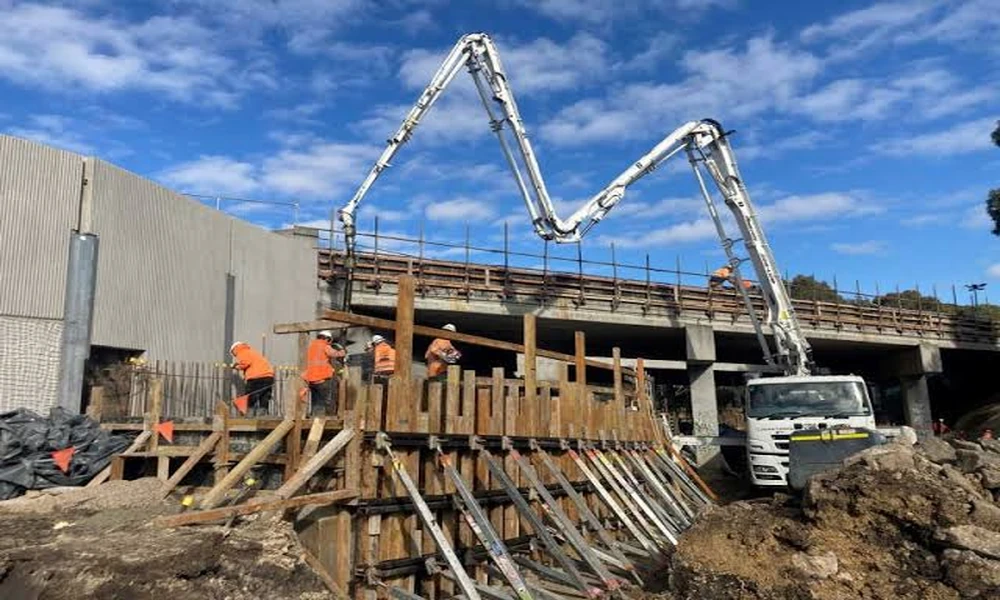
Construction sites are rarely static. As soon as demolition, retrofitting, or new builds are underway, the original structure’s stability can be threatened. Temporary supports rise to the occasion, keeping workers and buildings safe until permanent systems take over. But designing these supports is no small feat. The unpredictable dance of shifting loads, hidden weaknesses, and limited resources means every project brings unique hurdles.
Key Objectives in Temporary Support Design
Ensuring Structural Stability
At the core, engineers are tasked with maintaining stability during radically changing conditions. When existing supports are removed or compromised, loads shift in unpredictable ways. The challenge? Calculating these shifting forces with enough precision to prevent catastrophic failure, all while accounting for construction activities and environmental factors like wind or vibration. Even a small miscalculation in load path can have serious consequences.
Facilitating Safe Construction Sequencing
The sequence of demolition or construction defines the necessary type and timing of temporary supports. Each phase demands a tailored solution, what holds firm in one step may need reconfiguring in the next. If supports aren’t methodically planned and adapted to the schedule, workers could be exposed to unnecessary risks or delays might snowball.
Minimizing Impact on Existing Structures
Temporary supports must deliver strength without damaging what remains. This means avoiding excessive point loads, preventing settlement, and ensuring that the installation or removal process won’t introduce cracks or destabilize adjacent structures. Sometimes, the very act of providing support becomes a risk to heritage elements or neighboring buildings.
Common Types of Temporary Supports and Their Applications
Shoring Systems: Traditional vs. Modern Techniques
Shoring has evolved from timber posts to sophisticated steel systems. While timber is easy to modify on-site, steel and modular shoring provide higher load capacity and speed of installation. Engineers weigh factors like site constraints, load requirements, and reusability when selecting between these options.
Underpinning Methods: Hydraulic vs. Mechanical Approaches
Underpinning stabilizes foundations during excavation or strengthening projects. Hydraulic systems offer fine-tuned adjustment and are suitable for sensitive structures where movement must be minimized. Mechanical underpinning, using screw jacks or wedges, prioritizes simplicity and lower costs but requires more manual oversight.
Bracing Solutions: Rigid Frames vs. Cable Supports
Rigid frames provide robust horizontal and vertical restraint, ideal for large clear spans. Cable bracing, on the other hand, allows for lightweight, quick-to-install solutions, especially in sites with limited space. The choice depends heavily on anticipated loads and the flexibility needed for later adjustments.
Engineering Challenges in Stability Analysis
Load Estimation: Static and Dynamic Considerations
Estimating loads is rarely straightforward. Live construction activity, the weight of machinery, and even environmental loads (like snow or seismic activity) must be considered. Engineers run detailed calculations and sometimes simulations to predict worst-case scenarios.
Dealing with Uncertain Soil and Material Properties
Unexpected soil weaknesses or hidden flaws in materials can undercut even the best-laid plans. Sometimes, only exploratory demolition or load-testing reveals these problems, forcing last-minute redesigns or reinforcement.
Managing Structural Behavior During Demolition and Construction Phases
Structures do not behave in isolation. Removing a wall or adding a load-bearing beam can transmit forces throughout a building, sometimes creating vulnerabilities elsewhere. Engineers must anticipate these chain reactions and design supports with enough flexibility to adapt as new issues emerge.
Safety Protocols and Risk Mitigation Strategies
Safety is non-negotiable. Fall protection, for example, includes both flexible and rigid lifelines, each with their unique pros and cons. Selecting secure anchorage points is critical, an oversight here can undermine the entire safety system. Increasingly, real-time monitoring helps engineers track deflection, tilt, or settlement, providing early warnings before hazards spiral out of control.
Sequencing and Methodology Variations
No two projects are identical. Some require meticulous step-by-step sequencing, while others demand adaptive approaches that respond to unfolding site realities. Demolition, in particular, can be controlled (planned and methodical) or progressive (responding to real-time observations), each influencing the selection and placement of temporary supports. The sequencing method directly impacts safety, timeline, and overall costs.
Design Verification and Compliance
Designs are only as good as their verification process. Analytical models, using finite element methods or empirical calculations, must be validated against real-world conditions. Compliance with regional and international standards is essential. For example, European norms may differ from North American codes, requiring careful cross-referencing. Case studies abound where inadequate verification led to costly failures, highlighting the value of rigorous review.
Cost, Time, and Resource Constraints
Budget and schedule constraints are among the toughest realities. Striking a balance between robust safety and tight budgets requires creativity. Prefabricated and modular support systems can save time and labor, yet sometimes need specialized equipment or training. The allocation of skilled labor versus investing in advanced machinery is an ongoing calculation.
Future Trends and Innovations in Temporary Support Engineering
Digital tools and Building Information Modeling (BIM) now enable engineers to visualize, simulate, and optimize support systems before a single beam is set. Advanced materials, such as high-strength lightweight alloys or composites, allow for smaller yet more powerful supports. The rise of automation and robotics is already streamlining support installation and monitoring, reducing human risk and boosting precision.
As challenges in temporary support engineering grow in complexity, collaboration with specialized experts becomes even more valuable. Consulting a resource like ingénieur étançonnement NadeauSDM can bring critical expertise to the table, ensuring temporary works are as safe and efficient as possible.
Temporary support design is the ultimate test of adaptability and foresight. For engineers, every site is a puzzle where safety, practicality, and innovation must fit seamlessly together, even when the ground (sometimes literally) is shifting beneath their feet.
